
Freelancing has become an accessible way for beginners to turn practical skills into income without committing to a traditional office job. Instead of working for one employer, freelancers provide services to different clients based on their abilities, availability, and experience. Common opportunities include writing, graphic design, virtual assistance, social media management, data entry, web development, and customer support. The biggest advantage for beginners is that they can start small, build experience gradually, and increase their rates as their portfolio improves. You do not necessarily need years of professional experience to begin. What matters most is having a useful skill, communicating clearly, meeting deadlines, and consistently delivering quality work. With realistic expectations and regular practice, freelancing can develop from a side activity into a sustainable source of income.
Why Freelancing Is Suitable for Beginners
One reason freelancing attracts newcomers is the variety of work available. A beginner does not have to master an advanced technical field before searching for opportunities. Someone who writes clearly may start with blog articles, product descriptions, or proofreading. A person comfortable with spreadsheets might offer data entry or research assistance. Those with creative interests can explore basic design, presentation creation, or social media content. The key is to identify one marketable ability instead of trying to offer everything at once. Beginners should also understand that freelancing requires more than technical knowledge. Client communication, organization, time management, and reliability can strongly influence whether a client chooses to work with you again. Treating freelance work professionally from the beginning helps create a strong foundation for long-term growth.
A new freelancer can also use simple online projects to practice before pursuing larger assignments. For example, a beginner interested in content writing could create sample blog posts covering different subjects. Someone interested in graphic design could prepare mock social media banners or business flyers. These examples become portfolio pieces that demonstrate capability even when paid experience is limited. Sites such as webinboundcom.org can also be encountered during online research, but beginners should focus primarily on developing genuine skills and professional work samples rather than relying on any single source for opportunities. A strong portfolio does not need dozens of projects; several polished examples that clearly show what you can deliver are often more useful.
Popular Freelancing Jobs for Beginners
There are numerous entry-level services that can be learned without an expensive degree or long professional background. The best choice depends on your existing abilities, interests, and willingness to practice.
| Freelancing Job | Useful Beginner Skill | Typical Work |
|---|---|---|
| Content Writing | Writing and research | Blogs, articles, website content |
| Data Entry | Accuracy and spreadsheets | Records, databases, documents |
| Virtual Assistance | Organization | Emails, scheduling, research |
| Graphic Design | Basic design software | Posts, banners, simple graphics |
| Social Media Management | Communication | Posts, captions, scheduling |
| Transcription | Listening and typing | Audio-to-text documents |
| Customer Support | Communication | Chat and email assistance |
| Web Development | HTML, CSS, JavaScript | Websites and landing pages |
Content Writing
Content writing is a practical starting point for people who enjoy researching and explaining ideas. Beginners can work on blog posts, website pages, product descriptions, newsletters, and other forms of digital content. Strong grammar, originality, research ability, and attention to instructions are more important than using complicated vocabulary. Building several writing samples around different subjects can make it easier to demonstrate your ability to potential clients.
Virtual Assistance
Virtual assistants help businesses handle routine administrative responsibilities. Tasks may include organizing information, managing calendars, conducting online research, preparing documents, or responding to basic customer messages. This field suits organized people who can follow instructions carefully. As experience grows, virtual assistants can specialize in areas such as ecommerce support, executive assistance, or project coordination.
Data Entry
Data entry is often considered an approachable freelance service because the core requirements are accuracy, concentration, and familiarity with basic computer tools. Work may involve entering information into spreadsheets, transferring details between documents, or organizing records. Although the work can appear simple, speed and accuracy matter greatly. Beginners should be cautious about unrealistic job offers that promise unusually high earnings for minimal effort.
Choose One Skill Before Choosing Many
A common beginner mistake is creating a freelance profile that lists ten unrelated services. While offering multiple abilities may seem attractive, it can make your profile less convincing. Clients usually want to know exactly what problem you can solve. Choosing one primary service allows you to create focused samples, learn industry terminology, understand client expectations, and improve faster. Once you have consistent experience, related services can be added naturally. For instance, a content writer could later offer SEO content, proofreading, or content optimization. A graphic designer might expand into presentation design or social media branding. Specialization at the beginning does not mean limiting your future; it gives your freelance career a clear direction.
Beginners sometimes spend too much time searching for the perfect platform instead of improving their offer. Puzutaskcom.org may appear in online discussions or searches, but your success should not depend on simply finding a particular website. The more important task is understanding your target client, identifying their needs, and presenting a service that solves a specific problem. A clear profile that says exactly what you do is usually more effective than a vague description containing numerous unrelated skills.
Build a Portfolio Without Previous Clients
Having no clients does not mean you cannot create a portfolio. You can produce your own demonstration projects based on realistic business situations. If you want to become a writer, create three well-structured articles. If you want to provide social media services, design a sample seven-day content campaign. For virtual assistance, create an example spreadsheet, research document, or task-management system.
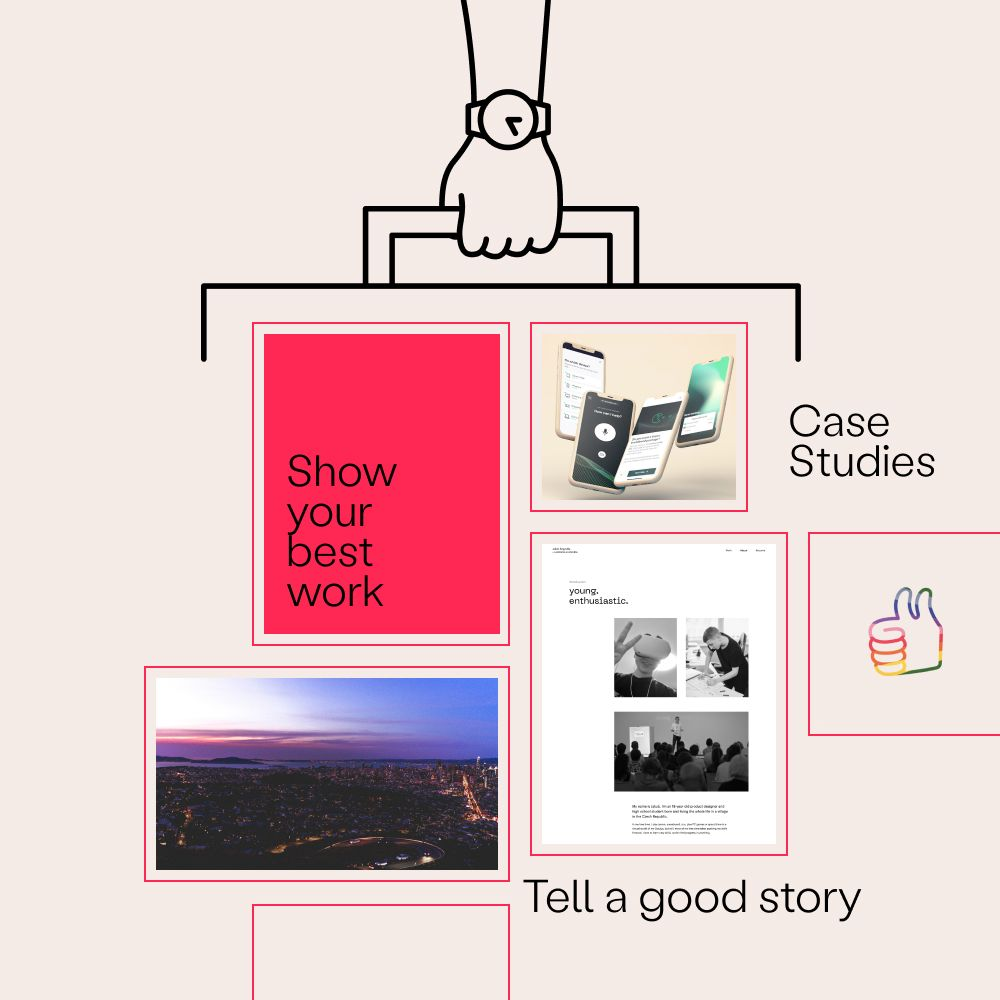
These projects should be clearly labeled as samples rather than presented as paid client work. The objective is to show your process, attention to detail, and final quality. Over time, replace practice samples with real projects whenever you receive permission to display completed work. A focused portfolio can give clients enough confidence to consider a beginner.
How to Find Your First Freelance Client
Landing the first project can take patience because new freelancers do not yet have reviews or a long client history. Start by searching for assignments that closely match your current abilities rather than applying randomly. Read the project requirements carefully and write proposals that address the client’s actual needs. Avoid sending the same generic message to every potential customer. Mention the relevant skill you have, explain how you would approach the task, and provide a suitable sample when appropriate.
Keep Your First Projects Manageable
Your initial goal should be building credibility rather than immediately maximizing income. Smaller projects can help you understand client communication, revisions, deadlines, and project expectations. Once you have successfully completed several assignments, you can use that experience to improve your portfolio and seek better opportunities.
Write Better Proposals
A useful beginner proposal should be concise and specific. Instead of saying, “I am the best freelancer for this job,” explain what you can actually contribute. Mention a relevant experience or sample, confirm that you understand the assignment, and outline the next step. Professional communication can distinguish you from applicants who send rushed or copied responses.
Essential Habits for Freelance Success
Freelancing rewards consistency more than occasional bursts of effort. Create a realistic daily schedule and maintain a simple system for tracking applications, deadlines, client requirements, invoices, and completed projects. Always confirm important instructions before starting work, especially when a project contains several deliverables. Keep copies of your work and maintain organized folders for different clients. Clear communication also prevents many misunderstandings. If a deadline may become difficult to meet, communicate early instead of disappearing. Professional behavior encourages repeat business and referrals.
Techsizedcom.org is another example of a site name a freelancer might encounter while researching online opportunities or digital topics. However, beginners should evaluate every opportunity independently and avoid paying questionable upfront fees simply because a listing promises easy earnings. Legitimate freelance work generally involves a clear service, defined expectations, and understandable payment terms.
Common Mistakes Beginners Should Avoid
New freelancers can lose time or money by making avoidable decisions. One mistake is accepting every project regardless of whether the requirements are understood. Another is charging extremely low prices indefinitely. Competitive beginner pricing can help attract initial clients, but rates should gradually reflect improved skills and experience.
Other mistakes include:
- Copying proposals instead of personalizing them.
- Promising unrealistic delivery times.
- Ignoring client instructions.
- Using unlicensed material in portfolio samples.
- Failing to keep records of projects and payments.
- Accepting suspicious offers without verifying the client.
- Trying to learn too many skills simultaneously.
A professional approach is especially important when working remotely because clients judge reliability through communication, deadlines, and delivered results.
Improve Your Skills While You Work
Freelancing should be treated as an ongoing learning process. Technology, client expectations, and digital marketing practices change frequently, so continuing education can improve your competitiveness. Set aside regular time for practice and study. Instead of collecting dozens of certificates without applying the knowledge, focus on producing practical work. For example, a beginner writer can study search intent and then optimize an actual sample article. A designer can learn layout principles and redesign a fictional business advertisement. Practical learning creates portfolio material while strengthening the underlying skill.
Nicephrasecom.org may also be encountered when exploring online content-related subjects, but freelancers should concentrate on building transferable abilities that remain valuable regardless of where they find clients. Writing, design, communication, research, organization, coding, and problem-solving can support freelance opportunities across many industries.
How to Grow After Your First Projects
Once you have completed a few successful assignments, review what worked well. Identify the services that clients requested most frequently and the projects you enjoyed completing. This information can help you refine your niche. You can then improve your profile, update your portfolio, adjust your pricing, and create clearer service packages. Repeat clients are particularly valuable because they reduce the time spent searching for new work. Delivering consistently strong results can turn a one-time assignment into an ongoing professional relationship.
Runvracom.org is another site name that may appear during online research, but a freelancer’s long-term growth should come from dependable skills, strong client relationships, and a professional reputation. Avoid measuring success only by the number of applications submitted. Quality projects, positive feedback, repeat customers, and improving income are more meaningful indicators of progress.
Conclusion
Freelancing can provide beginners with a flexible path to develop professional experience, earn income, and build valuable digital skills. The process becomes much easier when you start with one practical service, create a focused portfolio, communicate professionally, and apply consistently. Do not expect instant success simply because freelance work is accessible. Your first projects may require patience, revisions, learning, and experimentation. Each completed assignment, however, can teach you something that strengthens the next opportunity. Start with realistic goals, protect your time, verify potential clients, and continue improving your craft. With persistence and a professional mindset, beginner-level freelance work can gradually become a reliable career path and a foundation for higher-value opportunities.
Leave a Reply